Hail and storm damage roof repair in San Francisco, CA: claims, costs and deadlines
One call to (855) 512-1072 reaches Roofers Hotline for roof repair, roof replacement, leak repair, storm damage and inspections in San Francisco and 5 towns across Marin and San Mateo counties. Calls are answered from 168 ZIP codes in the San Francisco area. Calls are answered 24 hours a day and every estimate is put in writing before work starts.
Key takeaways
- The nearest weather station records about 23 inches of rain a year, and most leaks start at flashing, pipe boots and valleys.
- Hail of one inch or larger reached the county just 0 times since 2015, NOAA records show, and most repair calls here follow wind, rain or sun.
- Storm Prediction Center logs show 13 hail reports within 15 km of the city center since 2000, with March the busiest month.
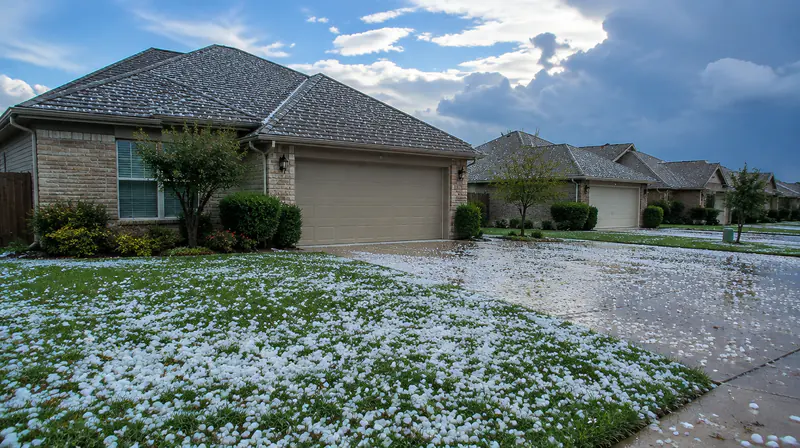
A winter storm moves through, a few shingles lift, and a stain shows up on the bedroom ceiling a day later. In San Francisco that is a familiar story, because 77% of homes here were built before 1980 (by Census estimates for 2019 to 2023) and the median home dates to 1945.
Read on for storm damage on local roofs: what to do in the first 48 hours, how to document damage, how a claim works in California and which storm-chaser tactics to avoid. Call Roofers Hotline 24 hours a day to book roof repair and get a written estimate before any work starts.
San Francisco's storm record
Hail is not the main threat here. NOAA's storm records show no hail events of one inch or larger in San Francisco County since 2015, and the largest hail on record measured 0.5 inches. Wind and rain do the damage instead, and the county logged 4 thunderstorm-wind reports in that period, 1 of them at 65 knots or more.
The federal record points the same way. The metro has 8 federal disaster declarations from 1989 to date, and the most recent, on April 3, 2023, was for Severe Winter Storms, Straight-Line Winds, Flooding, Landslides, And Mudslides. Roofs this old and this exposed to wet winters need a look after a hard storm, even when nothing seems wrong from the street. Call Roofers Hotline to book a roof inspection after the next storm.
The visit itself is covered under emergency roof repair in San Francisco, which serves 168 ZIP codes.
The first 48 hours
Water is the urgent problem. The climate normals for the downtown San Francisco weather station show 22.9 inches of precipitation a year, so a roof opening left alone can let in a lot of water before the next dry spell. Emergency tarping and leak repair, 24 hours a day, keeps the damage from spreading while the permanent repair is planned.
Here is how it plays out. After a windy night, you find a wet patch on a hallway ceiling and a few lifted shingles on the slope above. You move belongings away from the spot, put a bucket under the drip and call. Roofers Hotline books the visit, the opening gets covered, and a written estimate for the permanent repair follows before any work starts. Call now if water is already coming in.
Roofers Hotline also books roof repair here from the same number, with the inspection photographed before the estimate is written. Prices by material and job are under roof repair cost, with the local range shown above.
Documenting damage
Good records make every later step easier, whether you are talking to a roofer or to an insurer. Take dated photos of the ceiling stain, any lifted or missing shingles you can see from the ground, and debris in the yard or gutters. Photograph the whole room as well as close-ups, and note the date and time the storm passed.
Stay off the roof yourself. Many San Francisco homes date to the 1940s, and older roofs can be steep, slick and fragile, so photos from the ground or a window are enough. A roof inspection adds what you cannot see: flashing, underlayment and decking under the shingles. The written estimate lists what was found and what each repair involves, so you have one clear document to keep with your photos. Gather your photos, then call to book the inspection.
Step by step, from the first call to the written estimate, the work is explained under how emergency roof repair works.
Filing a claim in California
Insurance is a separate conversation from the roof, and your policy decides what it covers. Read it for the deductible and for how it treats wind and water damage. Deductibles are never waived or rebated, so the written estimate and your photos help you see the full picture of what a repair will cost you before you decide anything.
The homeowner share here is 38.5% by Census estimates for 2019 to 2023, which means many roofs belong to landlords or associations, so check who holds the policy before you call your insurer. For the repair itself, California requires roofing contractors to hold a CSLB license, usually the C-39 Roofing classification. Look up any license at CSLB. Call Roofers Hotline to get the written estimate you will want in hand for that conversation.
Storm-chaser red flags
After a big storm, door-knockers often show up offering quick work. Be wary of anyone who asks for full payment up front, will not put the scope in writing, or pushes you to sign on the spot. A storm that produced the April 2023 declaration for flooding, landslides and mudslides is exactly the kind that brings them out.
A sound repair starts with an inspection and a written estimate before any work starts, and you should have time to read it. Ask for the contractor's CSLB license and check it yourself. If you are unsure about an offer on your doorstep, you can set it aside and call Roofers Hotline 24 hours a day to book roof repair for your San Francisco home instead.
- 0 Hail events, one inch or largerthe county, since 2015
- 1 Wind events, 65 knots or morethe county, since 2015
- 8 Federal weather disaster declarations, from 1989 to datethe county, last April 3, 2023
- 13 Hail reports within 15 km of the city centerSPC, 2000 to 2024, Low band
Sources: NOAA Storm Events (San Francisco County); OpenFEMA declarations (San Francisco County); NOAA SPC reports. Updated October 2026.
Why call
Why Roofers Hotline in San Francisco
- We track every storm the county records These numbers come from NOAA, FEMA and Census records, including 411,542 housing units inside the city limits.
- Local roofers who know the county roofs With 49 roofing businesses across the county on the Census business register, a second written estimate is easy to get.
- Emergency tarping and leak response, day or night Here, with about 23 inches of yearly rain at the nearest station behind it, every emergency call starts with a dry-in and ends with a written repair estimate.
- Deductibles are never waived or rebated What the policy covers, what you pay, no games.
Questions
Questions about storm damage roof repair here
Does hail damage roofs in San Francisco?
Rarely. NOAA's storm records show no hail of one inch or larger in the county since 2015, and the largest hail on record was 0.5 inches. Wind and rain are the bigger risks. If you see lifted shingles or a ceiling stain after a storm, call to book a roof inspection.
What should I do first after a storm damages my roof?
Protect the inside of the house first. Move belongings away from any drip, set out a bucket and take dated photos from the ground. Then call, because emergency tarping and leak repair is available 24 hours a day and stops water from spreading while the permanent repair is planned.
How do I check a roofer's license in California?
California requires roofing contractors to hold a CSLB license, usually the C-39 Roofing classification. Look up any license at CSLB before you agree to work. For roof repair with a written estimate before any work starts, call Roofers Hotline 24 hours a day.
Another question homeowners here ask is How long does a roof last?, from across the metro.
Get roofing quotes in San Francisco
Takes about a minute. Tell us the ZIP code and what the roof is doing, and a local roofer calls you back to book an inspection and written estimate.
Start your requestOr call: the number at the top of this page is answered 24/7.