Roof emergency warning signs in Washington, DC: when to call for emergency roof repair
Roofers Hotline books roof repair, roof replacement, leak repair, storm damage and inspections in Washington across District of Columbia from one number, (855) 512-1072. Calls are answered from 271 ZIP codes in the Washington area. Calls are picked up 24/7, and no work starts without a written estimate.
Key takeaways
- Hail of one inch or larger hit District of Columbia 18 times since 2015, and damaging wind 5 times, in NOAA's records.
- Wind of 65 knots or more hit District of Columbia 5 times since 2015 in NOAA's storm log, and lifted shingles are the common result.
- By OpenFEMA's count District of Columbia has had 17 federal weather declarations, the most recent in 2016.
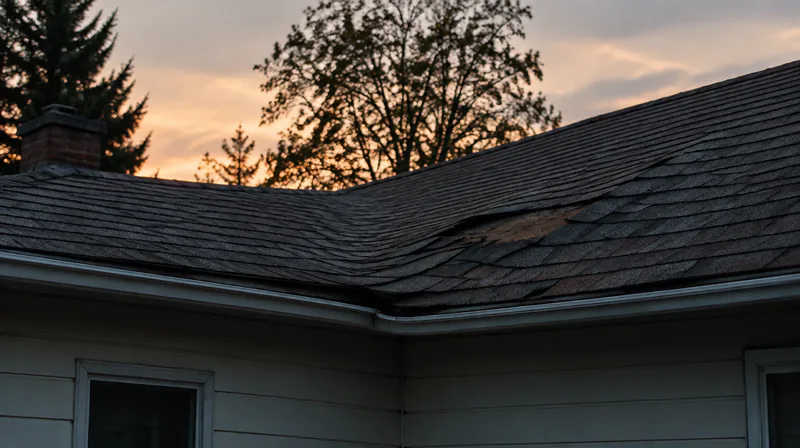
This guide helps you decide which roof problems in Washington need a call today and which can wait for a scheduled visit. The number that changes the decision most is 120, the hail reports within 15 km of the city from 2000 to 2024, which puts the metro in the Very High hail band among the towns Roofers Hotline serves. After a storm, damage you cannot see from the ground is a real possibility, so a roof inspection is the safer first step. Call Roofers Hotline 24 hours a day for roof repair here, and ask for the written estimate before any work starts.
Signs that cannot wait
Water dripping from a ceiling, a sagging patch of roof, daylight in the attic, and shingles lying in the yard all need a call the same hour you notice them. These problems let rain into the house, and Washington gets 45.6 inches of precipitation a year in the 1991 to 2020 climate normals at the National Arboretum station, so the next wet day is never far off.
Hail leaves quieter signs: dented vents, granules in the gutters, and bruised shingles. The county logged 18 hail events of one inch or larger since 2015 in NOAA's storm records, and the largest measured 1.75 inches. If you see any of these signs after a storm, call for roof repair here and describe what you found.
Across this metro's 271 ZIP codes, emergency roof repair in Washington is explained visit by visit.
The first hour
Start by keeping people safe. Stay off the roof, move belongings out from under a leak, and set a bucket under any drip. If water is coming through a light fixture, leave that room alone and keep the power off to it.
Then take photos from the ground and from inside, and write down when the damage appeared. Roofers Hotline answers calls 24 hours a day, so you can phone while the storm is still passing. Tell the dispatcher where the water is entering, how old the roof is, and what material it uses. In Washington the median home was built in 1957, and 70% of homes predate 1980, so older roofs and older decking are common. Mention your home's age on the call, and ask for emergency tarping and leak repair.
The same number also books what roof repair includes, and the inspection is photographed before the estimate is written. See roof repair cost for prices by material and job, and the local range is above.
What an emergency visit includes
An emergency visit starts with finding where the water gets in and stopping it. That usually means tarping the open area or sealing the leak so the house stays dry until a permanent repair can be done. You then get a written estimate before any work starts, covering the permanent repair and what it will take.
The visit also checks the areas around the damage, because a leak seen in one room often comes from a flashing or vent several feet away. Hail and wind both loosen materials that look fine from the street. The district logged 5 damaging thunderstorm wind events since 2015 and 4 tornadoes, so it is worth having the whole roof looked over. Call, describe the damage, and ask for the written estimate.
For the work itself, read how emergency roof repair works, which follows a job from the first call onward.
Insurance deadlines here, DC
Insurance policies set their own time limits for reporting storm damage, and those limits are written in your policy, so read it or ask your insurer what yours says. Deductibles are never waived or rebated, so plan for yours when you decide how fast to act.
Photos and a written estimate give you a clear record of what was damaged and what repair costs. Washington has had 17 federal disaster declarations from 1989 to date, the latest a snowstorm declared on March 4, 2016, and hail season runs April through August with June the busiest month. That makes spring and summer the time to check the roof after each storm. Call Roofers Hotline for an inspection and a written estimate you can keep with your records.
- 18 Hail events, one inch or largerDistrict of Columbia, since 2015
- 5 Wind events, 65 knots or moreDistrict of Columbia, since 2015
- 4 TornadoesDistrict of Columbia, since 2015
- 17 Federal weather disaster declarations, from 1989 to dateDistrict of Columbia, last March 4, 2016
- 120 Hail reports within 15 km of the city centerSPC, 2000 to 2024, Very High band
Sources: NOAA Storm Events (District of Columbia); OpenFEMA declarations (District of Columbia); NOAA SPC reports. Updated October 2026.
Why call
Why Roofers Hotline in Washington
- We track every storm the county records These numbers come from NOAA, FEMA and Census records, including 356,101 housing units inside the city limits.
- Local roofers who know District of Columbia roofs The nearest weather station averages 84 freezing days and 10 inches of snow a year, the recipe for ice dams.
- Emergency tarping and leak response, day or night The nearest weather station records about 46 inches of rain a year, and most leaks start at flashing, pipe boots and valleys.
- Calls answered 24 hours a day, 7 days a week The line is open around the clock because roofs fail at every hour.
Questions
Questions about roof emergency warning signs here
What roof damage in Washington counts as an emergency?
Active leaks, a sagging roof, exposed decking, and missing shingles after wind all count as emergencies, because rain can enter the house right away. The metro averages 45.6 inches of precipitation a year in the 1991 to 2020 normals. Call 24 hours a day and ask for emergency tarping and leak repair.
Should I get on the roof to check hail damage myself?
No. Check from the ground and from the attic instead. Look for dented vents, granules in the gutters, and stained attic decking. The area sits in the Very High hail band, with 120 reports within 15 km from 2000 to 2024. Call for an inspection and a written estimate.
What should I have ready when I call about a roof leak?
Have photos of the damage, the time it started, where water is entering, and your roof's age and material. The metro's median home was built in 1957, so mention an older house. Call any hour, and ask for the written estimate before any work starts.
A common question across the metro is How long does a roof last?
Get roofing quotes in Washington
Takes about a minute. Tell us the ZIP code and what the roof is doing, and a local roofer calls you back to book an inspection and written estimate.
Start your requestOr call: the number at the top of this page is answered 24/7.