Hail and storm damage roof repair in Chicago, IL: claims, costs and deadlines
One call to (855) 512-1072 reaches Roofers Hotline for roof repair, roof replacement, leak repair, storm damage and inspections in Chicago and 34 towns across Cook, DuPage and Will counties. Calls are answered from 180 ZIP codes in the Chicago area. Calls are answered 24 hours a day and every estimate is put in writing before work starts.
Key takeaways
- Cook County saw 131 thunderstorm wind events of 65 knots or more since 2015, NOAA records show, each one a shingle repair somewhere.
- 77% of homes inside the city limits were built before 1980, Census estimates show, and the median build year is 1952.
- By OpenFEMA's count Cook County has had 22 federal weather declarations, the most recent in 2024.
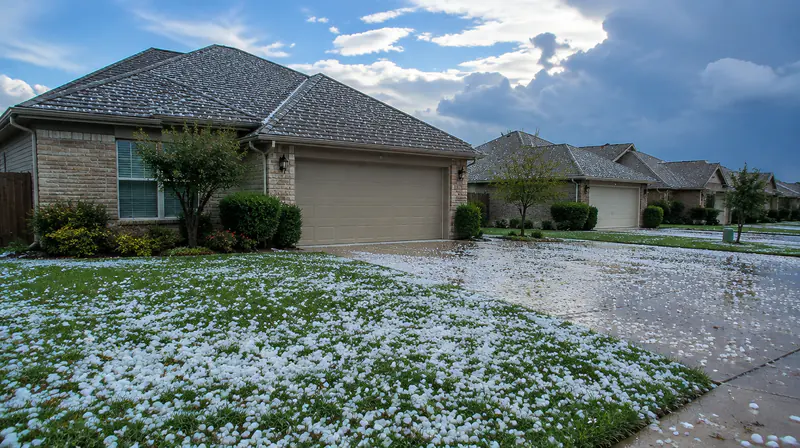
This guide helps you decide when hail or wind damage on your Chicago roof is worth a call, and the number that changes that decision most is 178: Cook County logged 178 hail events of one inch or larger since 2015, and the largest stone measured 2.75 inches. Stones that size can leave damage that is hard to see from the street, so a roof that looks fine may still need a look. Roofers Hotline handles hail and storm damage roof repair here, and calls are answered 24 hours a day. Call to book an inspection and ask for the written estimate before any work starts.
Chicago's storm record
Hail here is a regular event. NOAA's Storm Events database shows 178 hail events of one inch or larger in Cook County since 2015, along with 131 damaging thunderstorm wind events and 36 tornadoes. Within 15 km of the city, NOAA's Storm Prediction Center logged 97 hail reports from 2000 to 2024, which puts Chicago in the Very High hail band among the towns Roofers Hotline serves.
The season matters too. Hail reports within 25 km come mostly between April and October, and June is the busiest month. That makes late spring and summer the time to watch your roof, and the weeks after any storm the time to have it checked. Call Roofers Hotline for roof repair here and ask for an inspection after a storm drops hail near your home.
See emergency roof repair here for the visit itself, booked across 180 ZIP codes here.
The first 48 hours
The first two days after a storm are for stopping further damage, not for deciding on a full replacement. If shingles are missing, flashing is bent or water is coming through a ceiling, the priority is keeping the next rain out of the house. Roofers Hotline offers emergency tarping and leak repair, 24/7, so a call at night or on a weekend is still answered.
Chicago's older housing is a reason to move quickly. Census estimates for 2019 to 2023 put the median home here at 1952 and show that 77 percent of homes were built before 1980. Older roof decks and flashing details tend to let water in faster once the surface is damaged. Stay off the roof, check the attic and ceilings for stains or drips, and call to have the roof looked at this week.
Through the same number, homeowners also book roof repair in Chicago, with a photographed inspection ahead of the estimate. See roof repair cost for prices by material and job, and the local range is above.
Documenting damage
A written estimate works best when it comes with a clear record of what the storm did. Before anyone climbs a ladder, walk the property from the ground and take dated photos of the roof edges, gutters, vents and any dents on metal parts. Photograph the ceilings and attic too, since water stains show where a leak has started.
Write down the date of the storm and what you saw. NOAA's records show the last 2-inch hail within 25 km of Chicago fell on April 7, 2020, which is a reminder that large stones can arrive outside the summer peak. Keep any shingle pieces you find in the yard. Then call Roofers Hotline, share your photos and ask for the written estimate, which lists what needs repair before any work starts.
From the first call to the scheduled work, how emergency roof repair works is walked through in order.
Filing a claim in Illinois
Insurance rules differ from policy to policy, so read yours before you decide anything. Look for the deductible amount, the deadline for reporting storm damage and whether the policy treats hail and wind differently. Deductibles are never waived or rebated, so plan for yours when you compare repair options.
Federal records show 22 disaster declarations that include Cook County from 1967 to date, the latest for severe storms, tornadoes, straight-line winds and flooding on September 20, 2024. Storms here are well documented, which helps when you describe what happened. Roofers Hotline provides a written estimate that describes the damage and the repair, and you can bring it to your own conversation with your insurer. Call to book the inspection first.
Storm-chaser red flags
After a big storm, door-to-door offers tend to appear within days. Be wary of anyone who asks for full payment up front, pressures you to sign on the spot or cannot show a license. Illinois requires roofing contractors to hold a statewide roofing license from IDFPR, and you can look up any license at Illinois IDFPR before you agree to anything.
With 178 hail events in the county record since 2015, you will likely hear from more than one crew after a storm. Take your time, ask for the written estimate, and compare it with the photos you took. Call Roofers Hotline for roof repair in Chicago and get the estimate in writing before any work starts.
- 178 Hail events, one inch or largerCook County, since 2015
- 131 Wind events, 65 knots or moreCook County, since 2015
- 36 TornadoesCook County, since 2015
- 22 Federal weather disaster declarations, from 1967 to dateCook County, last September 20, 2024
- 97 Hail reports within 15 km of the city centerSPC, 2000 to 2024, Very High band
Sources: NOAA Storm Events (Cook County); OpenFEMA declarations (Cook County); NOAA SPC reports. Updated October 2026.
Why call
Why Roofers Hotline in Chicago
- We track every storm the county records 1,268,199 homes inside the city limits on the Census count are logged here, and those NOAA, FEMA and Census figures sit behind every estimate.
- Local roofers who know Cook County roofs Winters here bring ice dams, with 106 freezing days and 39 inches of snow a year at the nearest station in NCEI normals.
- Emergency tarping and leak response, day or night The nearest weather station records about 34 inches of rain a year, and most leaks start at flashing, pipe boots and valleys.
- Deductibles are never waived or rebated What the policy covers, what you pay, no games.
Questions
Questions about storm damage roof repair here
How do I know if hail damaged my Chicago roof?
Hail damage is often invisible from the ground. Cook County logged 178 hail events of one inch or larger since 2015, so a roof inspection after any storm is sensible. Look for dented vents, granules in gutters and ceiling stains, then call for an inspection.
What should I do right after a storm hits my roof?
Stay off the roof and check the attic and ceilings for water. Take dated photos from the ground. If water is getting in, call for emergency tarping and leak repair, available 24/7, so the next rain does not add more damage.
One more question from the metro is How long does a roof last?
Get roofing quotes in Chicago
Takes about a minute. Tell us the ZIP code and what the roof is doing, and a local roofer calls you back to book an inspection and written estimate.
Start your requestOr call: the number at the top of this page is answered 24/7.