Roof emergency warning signs in Chicago: when to call for emergency roof repair
Roofers Hotline books roof repair, roof replacement, leak repair, storm damage and inspections in Chicago and 34 towns across Cook, DuPage and Will counties from one number, (855) 512-1072. Calls are answered from 180 ZIP codes in the Chicago area. Calls are picked up 24/7, and no work starts without a written estimate.
Key takeaways
- Storm Prediction Center logs show 97 hail reports within 15 km of the city center since 2000, with June the busiest month.
- 77% of homes inside the city limits were built before 1980, Census estimates show, and the median build year is 1952.
- Federal disaster records list 22 weather declarations for Cook County, the most recent in 2024.
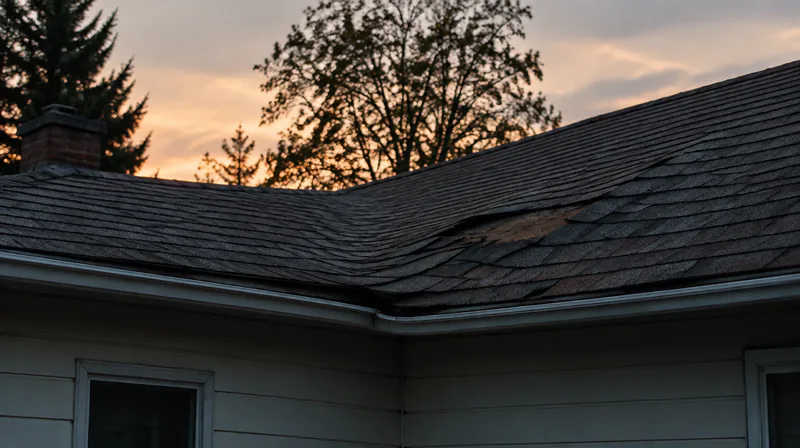
The most recent federal disaster declaration that includes Cook County and its neighbors came on September 20, 2024, for severe storms, tornadoes, straight-line winds and flooding, and the county logged 178 hail events of one inch or larger since 2015. That history is why a roof emergency in Chicago is worth a call the same hour you notice it. Roofers Hotline books emergency tarping and leak repair here, answers calls 24 hours a day, and gives you a written estimate before any work starts. Call now if water is coming through a ceiling, a section of shingles is missing, or the roof sags.
Signs that cannot wait
Some roof problems can sit until next week, and some cannot. Water dripping or staining through a ceiling, daylight visible in the attic, a sagging roof deck, and shingles stripped off after a windstorm all call for a same-hour response, because every rain after that point lets more water into insulation, drywall and framing.
Chicago roofs face this often. NOAA's storm records show 131 damaging thunderstorm wind events and 36 tornadoes in the county since 2015, and hail as large as 2.75 inches. Within 25 km of the city, hail of 1.75 inches or larger has been reported 21 times since 2000. Hail that size can crack shingles and bruise the mat beneath them without leaving anything obvious from the ground.
If you see any of these signs, call Roofers Hotline for emergency roof repair here. Take photos from the ground and inside the attic first, but do not climb onto the roof.
See emergency roof repair in Chicago for the visit itself, booked across 180 ZIP codes here.
The first hour
What you do in the first hour decides how much water damage follows. Move furniture and valuables away from the leak, put a bucket under the drip, and poke a small hole in a bulging ceiling so trapped water drains in a controlled spot. Turn off power to any room where water is near light fixtures or outlets.
Then call. Roofers Hotline answers 24 hours a day and books emergency tarping and leak repair so the roof is covered before the next rain. Have your address ready, along with where the water is showing up inside and what the weather did before it started.
Age matters here too. By Census estimates for 2019 to 2023, 77% of Chicago homes were built before 1980, and the median home dates to 1952. Older decking and flashing tend to fail around the same spots, so describe any previous leaks when you call.
Roofers Hotline also books roof repair across this metro from the same number, with the inspection photographed before the estimate is written. See roof repair cost for prices by material and job, and the local range is above.
What an emergency visit includes
An emergency visit starts with finding where the water is getting in and stopping it. That usually means tarping the damaged section or making a temporary repair so the house stays dry while a permanent fix is planned. The visit also covers a look at the surrounding roof, because wind and hail damage rarely stays in one spot.
You get a written estimate before any work starts, so you see what the permanent repair involves before you agree to it. Photos of the damage are worth keeping for your own records.
Winter adds its own cause. Chicago's ice-dam risk is rated High, and the Midway station's 1991 to 2020 normals show 38.8 inches of snow and 106.3 freezing days a year. If water appears along an exterior wall during a thaw, call for an inspection.
For the work itself, read emergency roof repair explained, which follows a job from the first call onward.
Insurance deadlines in Illinois
Insurance policies carry their own deadlines for reporting storm damage, and they differ from one policy to the next. Reading yours now, before a storm, tells you what notice period applies and what documentation your insurer asks for. Deductibles are never waived or rebated, so know your figure before the repair is scheduled.
Timing matters in Chicago because the hail season is long. Within 25 km of the city, 92% of hail reports since 2000 fall between April and October, and June is the busiest month with 60 reports. Tornadoes have touched down 16 times in that radius, most recently on July 15, 2024.
After any storm, photograph the damage and keep the written estimate with your records. Call Roofers Hotline for the inspection and the estimate.
- 178 Hail events, one inch or largerCook County, since 2015
- 131 Wind events, 65 knots or moreCook County, since 2015
- 36 TornadoesCook County, since 2015
- 22 Federal weather disaster declarations, from 1967 to dateCook County, last September 20, 2024
- 97 Hail reports within 15 km of the city centerSPC, 2000 to 2024, Very High band
Sources: NOAA Storm Events (Cook County); OpenFEMA declarations (Cook County); NOAA SPC reports. Updated October 2026.
Why call
Why Roofers Hotline in Chicago
- We track every storm the county records 1,268,199 housing units inside the city limits are logged here, and those NOAA, FEMA and Census figures sit behind every estimate.
- Local roofers who know Cook County roofs With 34 inches of rain in a normal year at the nearest station, leaks show up first at flashing and pipe boots.
- Emergency tarping and leak response, day or night A tarp goes on before the repair is priced, which matters with 178 hailstorms of one inch or larger since 2015 in Cook County on record here.
- Calls answered 24 hours a day, 7 days a week A leak at midnight gets the same answer as a leak at noon.
Questions
Questions about roof emergency warning signs here
What counts as a roof emergency in Chicago?
Active leaks, water stains spreading on a ceiling, a sagging roof, daylight in the attic, and shingles torn off by wind are all emergencies. The metro's county recorded 131 damaging wind events since 2015, so storm damage is common. Call 24 hours a day for emergency tarping and leak repair.
What should I do before the roofer arrives?
Move belongings away from the leak, set out a bucket, and photograph the damage from the ground and the attic. Stay off the roof. If water is near outlets or fixtures, shut off power to that room. Then call so a temporary cover can go on before the next rain.
Does hail damage show right away?
Not always. Hail of 1.75 inches or larger has been reported 21 times within 25 km of the metro since 2000, and it can crack shingles without obvious signs from the ground. After a hailstorm, book an inspection and ask for a written estimate covering what the roof needs.
How do I check a roofer's license in Illinois?
Illinois requires roofing contractors to hold a statewide roofing license from IDFPR. Look up any license at Illinois IDFPR before you agree to work. When you call Roofers Hotline for roof repair here, you receive a written estimate before any work starts.
Another question homeowners here ask is Does homeowners insurance cover roof replacement?, from across the metro.
Get roofing quotes in Chicago
Takes about a minute. Tell us the ZIP code and what the roof is doing, and a local roofer calls you back to book an inspection and written estimate.
Start your requestOr call: the number at the top of this page is answered 24/7.